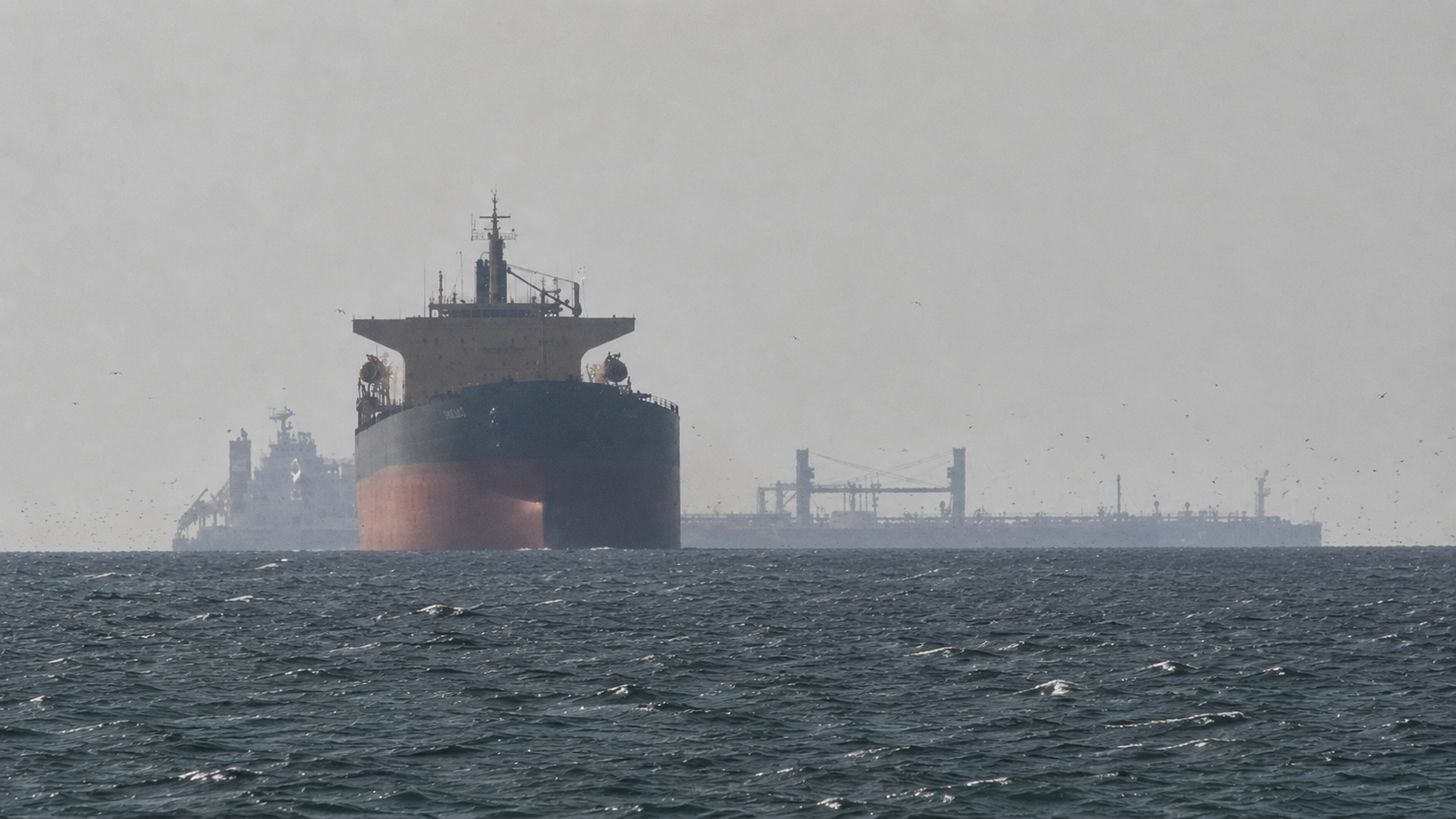
The Middle East is once again witnessing a period of intense geopolitical friction as the standoff between the United States and Iran continues to escalate. With Iran refusing to compromise on the Strait of Hormuz and its uranium enrichment program, and the U.S. maintaining a strict naval blockade in key maritime corridors, global attention has turned sharply toward the Persian Gulf.
Despite rising pressure, uncertainty, and warnings from global powers, former U.S. President Donald Trump has taken a more tempered public stance — insisting he is “not in a rush” for a final deal. As each side stays firm on its strategic red lines, the region remains on edge with the world watching closely.
This live-style analysis takes you through the ground situation, political statements, strategic moves, and ongoing diplomatic back-and-forth between Washington and Tehran.
Iran’s Unshaken Position on the Strait of Hormuz
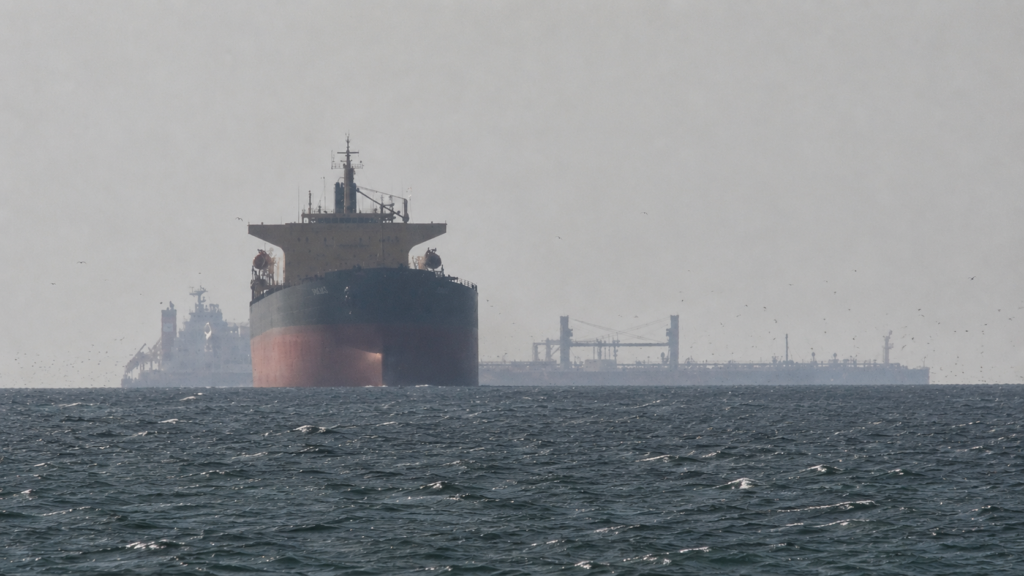
The Strait of Hormuz has long been one of Iran’s most powerful bargaining chips. Tehran continues to assert that as long as sanctions remain and foreign naval presence expands, it will not compromise on its right to control and monitor the narrow waterway.
Why Hormuz Matters
- Nearly 20% of global oil passes through the strait.
- It connects the Persian Gulf to the Arabian Sea — a key trade lifeline.
- Iran’s proximity gives it strategic dominance.
Iranian officials have repeatedly emphasized that any attempt to restrict its sovereign role in the strait will be viewed as aggression. This message has been echoed by military commanders and political leaders, making it clear that backing down is not on the table.
For traders, shipping companies, and energy markets, this standoff has created a climate of uncertainty — reflected in fluctuating oil prices and tense maritime atmosphere.
Uranium Enrichment: Tehran Refuses to Roll Back
On the nuclear front, Iran has taken a firm stand. Tehran insists its uranium enrichment program is non-negotiable unless broader sanctions relief and security guarantees are offered.
Key Points Iran Stands On
- Maintaining current enrichment levels.
- Continuing domestic nuclear research.
- Rejecting demands to fully hand over enriched uranium reserves.
- Insisting on recognition of its right to peaceful nuclear energy.
Iran’s stance is rooted in the belief that giving up uranium stockpiles without concrete gains would leave the nation vulnerable. This uncompromising position has become a central roadblock in negotiations.
Western analysts believe Iran’s strong posture is partly driven by internal politics, where any sign of weakness could spark domestic criticism.
U.S. Blockade: A Show of Strength, A Source of Pressure
Washington continues to enforce its naval blockade in the Persian Gulf and surrounding waters. U.S. military presence in the region has been expanded with:
- Aircraft carriers
- Guided-missile destroyers
- Surveillance aircraft
- Intelligence-sharing with regional allies
The blockade aims to:
- Limit Iran’s arms movement
- Restrict oil exports
- Put pressure on Iran’s economy
- Deter military escalation from Tehran
However, Iran sees the blockade as an act of aggression, increasing the risk of direct confrontation. In the past weeks, several close encounters between U.S. and Iranian vessels have been reported, fueling fears of miscalculation.
Trump’s Stance: Diplomatic But Calculated
Former President Donald Trump has taken a surprisingly calm public tone during this phase of the conflict. While negotiations continue behind the scenes, Trump has emphasized that the U.S. is “not rushing” into any agreement.
What Trump’s Message Signals
- The U.S. wants a strong deal, not a fast one.
- Pressure on Iran will continue until key demands are met.
- The White House wants global support before signing any pact.
- Trump is managing both domestic expectations and regional alliances.
His “no rush” comment has been interpreted by analysts as a way to keep Iran from thinking the U.S. is desperate for a diplomatic breakthrough, while showcasing American patience and leverage.
Conclusion: A Conflict Watching the World Watching
The Middle East is at a pivotal moment. Iran’s defiant stance on Hormuz and uranium, coupled with the firm U.S. naval blockade, has kept tensions at a boiling point. Trump’s calm exterior masks a complicated negotiation process that will require compromise from both sides — a difficult task when neither nation wants to appear weak.
As the situation evolves, the world watches closely, knowing that any shift — diplomatic or military — could reshape global geopolitics and energy landscapes overnight.